
APPKADIA / NOTE
The Internet of Things (IoT): its impact and technological future
Published24 October 2023
AuthorAppkadia
Reading time5 min
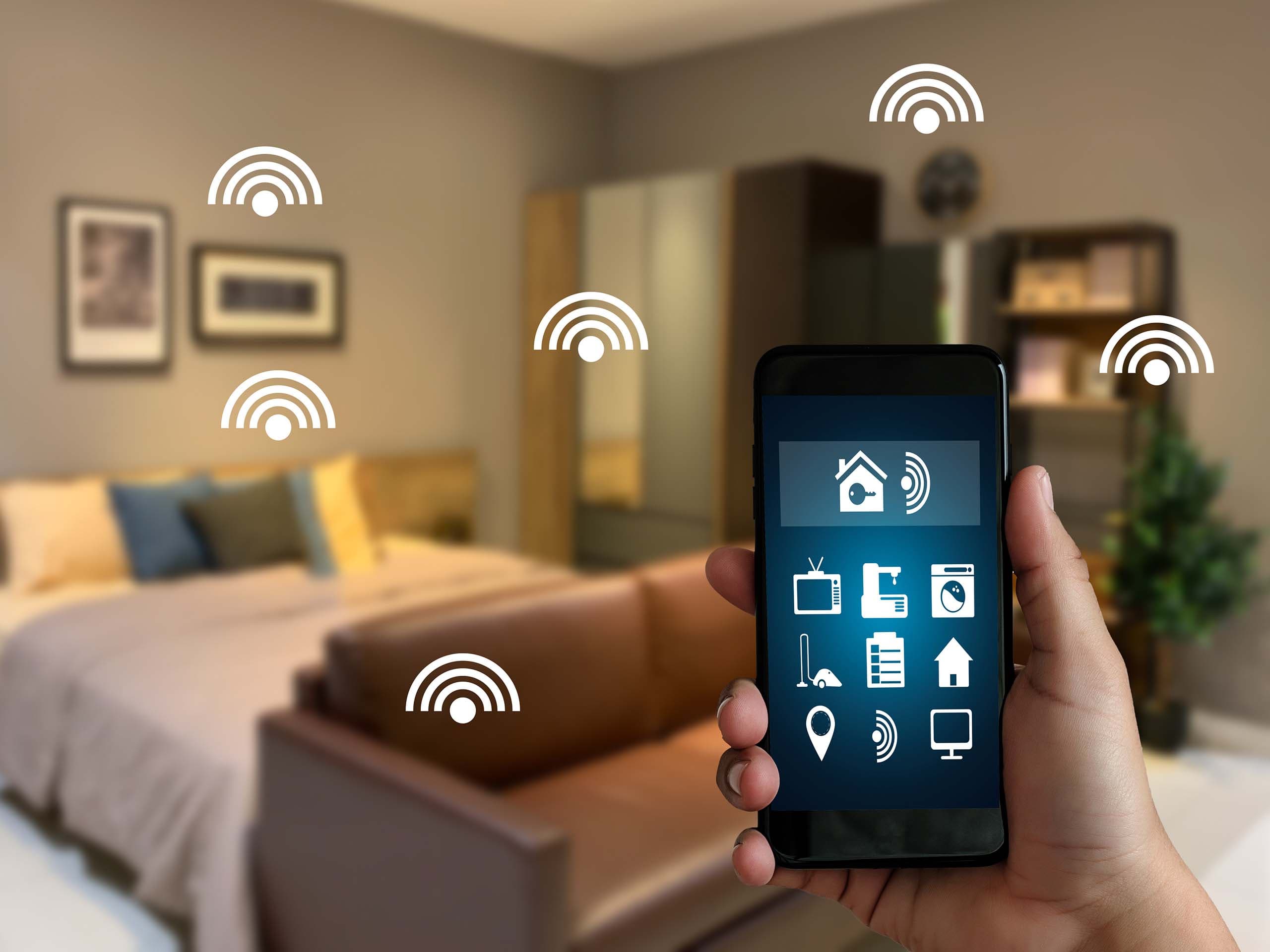
In the exciting world of technology, one trend has gained prominence in recent years and promises to transform how we interact with our surroundings: the Internet of Things, or IoT. As connectivity, large-scale data processing and digitisation continue to advance at breakneck speed, IoT has become a term that everyone has heard. But what exactly is IoT, and how does it affect our lives? In this article, we explore the concept, its history, its benefits and challenges, and some of its most striking applications.
What is the Internet of Things?
IoT refers to physical devices connected to one another through the Internet, allowing them to collect and share data with other devices and systems. Put simply, it means making everyday objects ‘smart’ by connecting them to a network. Those objects can then collect information, process it and make decisions based on it. Imagine a world in which your fridge automatically creates a shopping list when you are running out of milk, or your car warns you about mechanical problems before it breaks down.

The history of IoT: origins and evolution
Although the phrase ‘Internet of Things’ was coined in the 1990s, the ideas behind it have much deeper roots. One precursor was Mark Weiser, a computer scientist and visionary who proposed ‘ubiquitous computing’ in the 1980s. Weiser imagined a world in which computing devices would blend seamlessly into our lives, going unnoticed while improving our everyday experience.
In the 1990s, Kevin Ashton, co-founder of the Auto-ID Center at MIT, used the term ‘Internet of Things’ to describe the idea of radio-frequency identification (RFID) tags that could track objects in the physical world and connect them to a network. This revolutionary idea paved the way for the development of IoT as we know it today.
Since then, IoT has evolved rapidly, driven by advances in sensor technology, connectivity, data analytics and cloud computing. The proliferation of mobile devices and expansion of Internet infrastructure have also contributed significantly to its growth.
Benefits of IoT
IoT has brought a series of transformative benefits that affect almost every aspect of our lives. Some of the most notable are:
- Convenience and efficiency: IoT allows us to automate everyday tasks, such as turning on lights or adjusting the temperature at home, using mobile apps or voice commands. This saves both time and energy.
- Universal connectivity: It keeps us connected and gives us access from anywhere, so that we can control and monitor devices and systems remotely.
- Better health and safety: In healthcare, it enables medical conditions to be monitored in real time. In security, intelligent surveillance and alarm systems help to keep properties safe.
- Energy efficiency and sustainability: IoT helps us use resources more efficiently, reducing energy consumption and our environmental footprint.
- Better quality of life: It provides innovative solutions that improve people’s quality of life, including assistive devices for people with disabilities and home-automation applications that adapt an environment to individual needs.
Challenges of IoT
Despite its many benefits, IoT also presents several significant challenges:
- Security: As more devices are interconnected, security has become a major concern. IoT devices can be vulnerable to cyber attacks, potentially compromising privacy and safety.
- Privacy: IoT involves the constant collection of personal data. This raises concerns about privacy and the possibility of third parties gaining access to and misusing that information.
- Standards and protocols: The lack of shared standards and protocols can make it difficult for devices and systems from different manufacturers to work together.
- Data management: The vast volume of data generated by IoT devices requires robust systems for data management and analysis if its potential is to be realised.
- Ethics and accountability: IoT raises ethical questions about who has access to data and how they are used. It also raises questions about accountability when something goes wrong because of decisions made by connected devices.
Striking examples of the Internet of Things
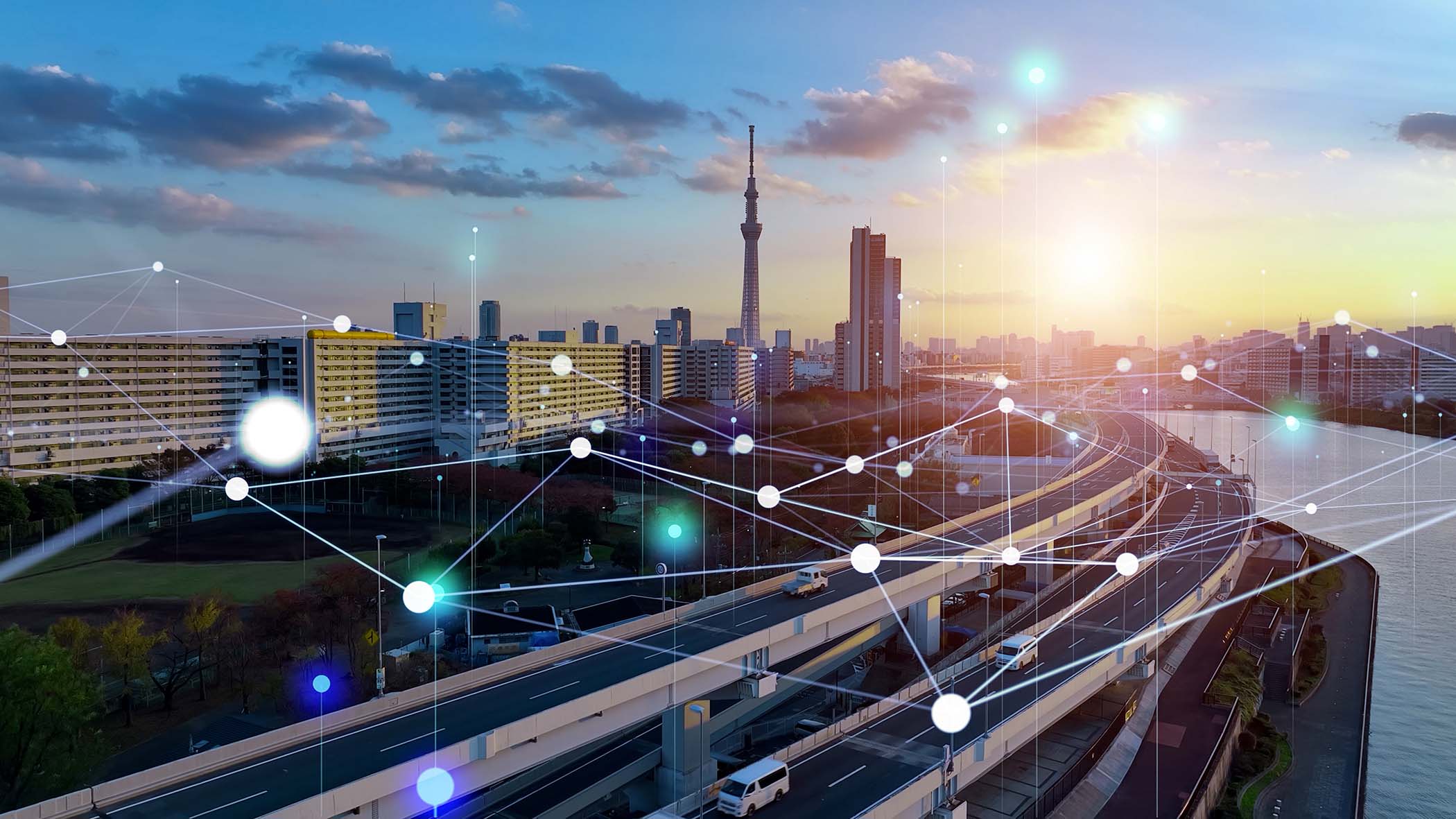
IoT has made a lasting mark across a range of industries and sectors. Here are some striking examples of how it is transforming our lives:
- Medicine: IoT devices are used to monitor patients in real time. Smart pacemakers, for example, can adjust a patient’s heart rate automatically.
- Agriculture: IoT sensors in fields enable more precise irrigation and monitoring of soil conditions, improving agricultural production.
- Sport: IoT is used to track athletes’ performance. Wearable devices can measure heart rate and physical activity in real time.
- Entertainment: IoT has entered our homes through smart-home devices that control lighting, thermostats and entertainment systems.
- Transport: Autonomous vehicles are a prominent example of how IoT is changing the way we travel.
Conclusion
The Internet of Things is a technological revolution that continues to evolve. As more devices connect and more applications are developed, IoT will continue to affect our lives in ways we cannot yet imagine.
Keep watching and prepare for an exciting, connected future. IoT has given us a glimpse of what is possible, and the path towards innovation and discovery has never been more exciting. Until the next technological revolution.